
Abstract
The world of trademarks is governed by specific rules that guarantee proprietors the exclusive right to use their distinctive signs. However, not all trademarks are equal. The distinction between “strong” and “weak” trademarks plays a significant role in legal protection and dispute resolution. These principles were clearly highlighted in a recent judgment of the Court of Rome (No. 18215 of 28 November 2024), which addressed the case of the “Peperino” trademark in the restaurant sector.
What are strong trademarks?
A trademark is not merely a distinctive symbol used to identify a product or service: it is a strategic tool that enables entrepreneurs to protect themselves and stand out in an increasingly competitive market.
Trademark registration grants the proprietor the exclusive right to use the sign, as established by Article 20 of the Italian Industrial Property Code. However, not all trademarks enjoy the same level of protection. The distinction between “strong” trademarks and “weak” trademarks plays a fundamental role, with legal and practical implications affecting both the scope of protection granted and the outcome of disputes.
Strong trademarks are characterised by their originality and creativity, as they have no conceptual connection with the products or services they represent (e.g. Nike®, Google®). Article 13 of the Italian Industrial Property Code prohibits the registration of descriptive signs or signs devoid of distinctive character. Strong trademarks, however, overcome this limitation thanks to their uniqueness, which affords them a broader scope of protection: even minor variations affecting the “core” of the trademark may constitute infringement.
This principle is confirmed by the case law of the Italian Supreme Court, which has reiterated that even substantial modifications may be unlawful if they leave the essential identity of the trademark intact.
What are weak trademarks?
Unlike strong trademarks, weak trademarks directly evoke the products or services they represent, using descriptive, common or suggestive terms. This characteristic reduces their distinctive character, thereby limiting the scope of legal protection afforded to them.
As clarified by case law, even minor modifications to weak trademarks may be sufficient to avoid a likelihood of confusion, since the underlying message conveyed by such signs is less distinctive. At the same time, EU case law emphasises that, when assessing the likelihood of confusion involving a weak trademark, it is necessary to consider not only the similarity between the signs but also the context and the relevant public. The average consumer, who is reasonably well informed and observant, is more likely to perceive differences between weak trademarks than between strong ones.
It is important to note that, while purely descriptive trademarks are invalid, weak trademarks may be registered, albeit with limited protection. A particularly relevant concept for weak trademarks is the principle of secondary meaning, according to which a trademark that initially has limited distinctive character may acquire distinctiveness through intensive and prolonged use.
A practical example: the “Peperino” trademark
A dispute decided by the Court of Rome involved two businesses operating in the restaurant sector, both interested in using the “Peperino” trademark. The dispute offers an interesting opportunity to understand the legal issues that may arise between apparently similar trademarks.
The claimant, a restaurant chain operating primarily in northern Italy, claimed to hold exclusive rights over the “Peperino” trademark, registered at EU level in 2015. It accused the defendant, a pizzeria based in Rome, of using the same distinctive sign, thereby committing trademark infringement and engaging in unfair competition. In particular, the claimant alleged similarities in both the word element (“Peperino”) and the figurative element (a stylised chilli pepper). It also argued that the trademarks registered by the defendant in 2015 and 2018 had been filed in bad faith, with the intention of exploiting the reputation acquired by its own trademark.
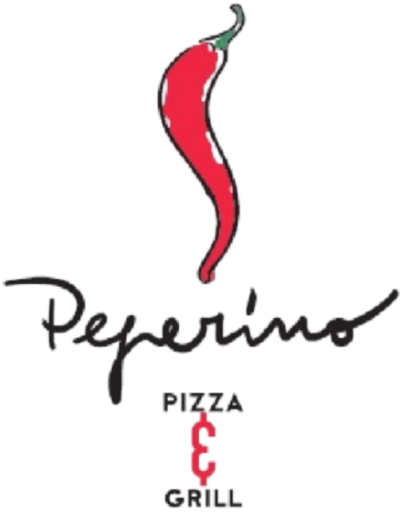
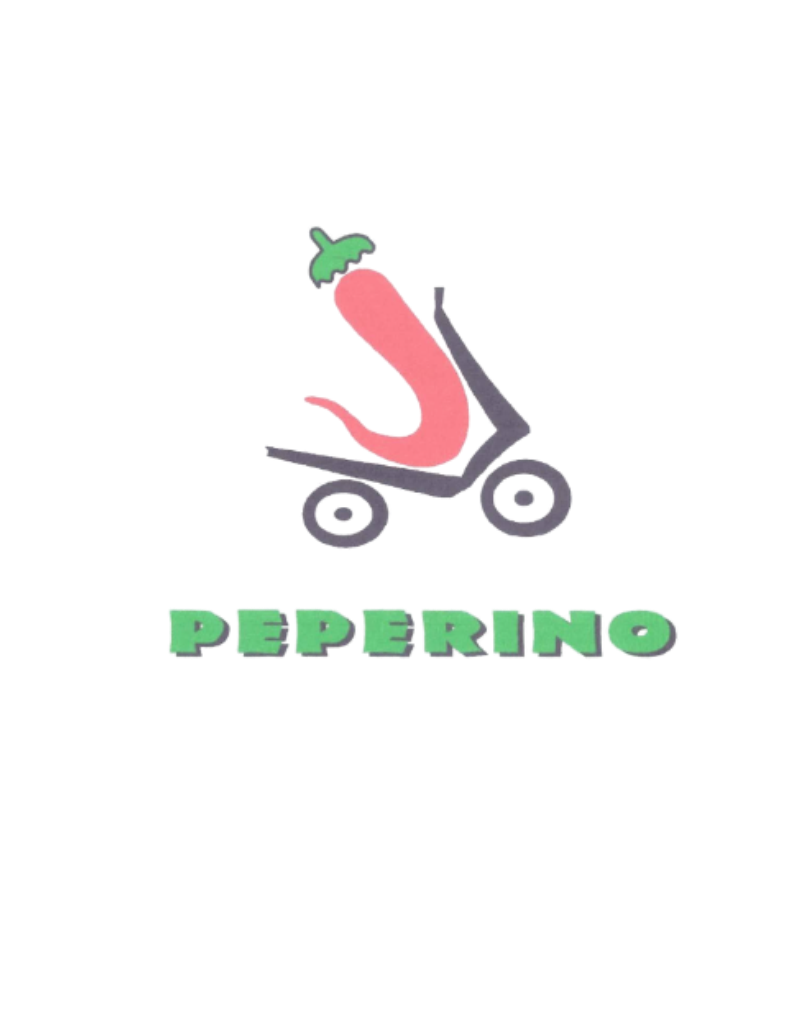
The defendant’s defence relied on two main arguments: its use of the “Peperino” trademark since 2005, well before the claimant’s EU registration, and the differences between their respective business activities. The defendant operated exclusively in Rome, focusing on takeaway and home delivery services, while the claimant’s chain had a different geographical presence and a business model based on dine-in services. Furthermore, the defendant highlighted the graphic differences between the two trademarks, arguing that a likelihood of confusion was unlikely to arise.
This case raises crucial questions concerning prior use, bad faith and the criteria for assessing the likelihood of confusion. But how did the Court of Rome decide? Let us explore its findings in the following section.
The decision on the distinctive character of the trademark
The Court of Rome established that the “Peperino” trademark fell within the category of weak trademarks. Although valid and eligible for registration, a weak trademark enjoys a narrower scope of protection than a strong trademark, a distinction that proved crucial in this dispute.
The weakness of the trademark was identified in two main elements: the descriptive meaning of its word component and the common association of its figurative component with the food sector. The term “Peperino” was found to lack a high degree of distinctive character, immediately evoking the idea of spiciness, a generic quality associated with numerous products and services in the restaurant sector. This association prevents the term from clearly and unambiguously distinguishing the business from its competitors.
The stylised depiction of a chilli pepper was likewise not considered a highly distinctive element. The chilli pepper is a universal symbol in the restaurant industry, frequently associated with spicy flavours and cuisine. Case law confirms that symbols widely used within a particular sector are unlikely to form the basis of a strong trademark unless they incorporate significant variations or creative elements.
The classification of “Peperino” as a weak trademark had a decisive impact on the outcome of the dispute. The weakness of the trademark entails more limited protection, requiring a particularly high degree of similarity for infringement to arise. In this case, the Court ruled out trademark infringement, finding neither a slavish reproduction nor a use likely to cause confusion. The defendant was therefore granted full freedom to use its own trademark.
No bad faith or unfair competition
The Court of Rome also examined the allegations of bad-faith filing and unfair competition brought by the claimant against the defendant, dismissing them due to insufficient supporting evidence.
Article 19(2) of the Italian Industrial Property Code defines bad-faith registration as an abuse aimed at obstructing a competitor’s business activities or taking unfair advantage of the reputation of another party’s trademark. However, the burden of proof lies with the party making such an allegation. In this case, the Court found no evidence capable of demonstrating that the defendant had registered its trademarks with the intention of harming or unfairly exploiting the claimant.
On the contrary, the defendant provided clear documentary evidence of its prior use of the “Peperino” trademark dating back to 2005, a full ten years before the claimant’s registration in 2015. This factor was decisive in ruling out improper conduct in the registration process.
The allegation of unfair competition was also dismissed. The Court highlighted that the parties’ trademarks displayed substantial graphic and figurative differences, sufficient to avoid confusion among consumers. Furthermore, the businesses operated in distinct geographical areas: the claimant’s restaurant chain was active in northern Italy, while the defendant’s pizzeria operated exclusively in the Roman market. This separation further reduced the potential for interference between their respective activities.
The evidence submitted by the claimant failed to demonstrate that the defendant had attempted to exploit the reputation of the claimant’s trademark or had engaged in conduct contrary to principles of professional fairness. In the absence of concrete evidence, the Court dismissed all allegations of unfair competition.
Strong and weak trademarks: distinctive character makes the difference
The judgment of the Court of Rome in the “Peperino” case highlights the central importance of a trademark’s distinctive character in determining the scope of its legal protection. While strong trademarks enjoy extensive protection, weak trademarks must tolerate even relatively minor variations in competing signs, unless such variations give rise to a clear likelihood of confusion.
The Court also clarified that allegations of bad faith or unfair competition must be supported by solid and specific evidence, without which such claims are unlikely to succeed.
This case serves as a reminder to entrepreneurs: trademark selection and registration must be approached with strategic awareness. Strong trademarks offer broad protection, while weak trademarks require greater efforts to strengthen their distinctive identity and protect the value of the brand.
Data di pubblicazione: 26 Novembre 2026
© Canella Camaiora S.t.A. S.r.l. - Tutti i diritti riservati.
È consentita la riproduzione testuale dell’articolo, anche a fini commerciali, nei limiti del 15% della sua totalità a condizione che venga indicata chiaramente la fonte. In caso di riproduzione online, deve essere inserito un link all’articolo originale. La riproduzione o la parafrasi non autorizzata e senza indicazione della fonte sarà perseguita legalmente.

Margherita Manca
Avvocato presso lo Studio Legale Canella Camaiora, iscritta all’Ordine degli Avvocati di Milano, si occupa di diritto industriale.